The modern digital landscape is intricately woven with layers of technology, often leading to a fundamental discussion around the distinction between a platform vs application. While both terms describe software that users interact with daily, their roles, architectural models, and economic implications are profoundly different. Understanding this core difference is not merely an academic exercise; it is crucial for business leaders and developers defining strategy, choosing technology stacks, and seeking market scalability in the context of platform vs application design.
Platform vs. Application: A Comprehensive Analysis of the Software Ecosystem
The digital world is built upon layers of technology, often leading to confusion between fundamental terms like platform and application. While both are integral to the modern software landscape, they serve distinct purposes, have different architectural compositions, and possess unique business models. Understanding the nuanced distinction between a platform and an application is crucial for developers, business strategists, and consumers alike.
What is an Application?
An application, often shortened to “app,” is a piece of software designed to perform a specific set of functions or tasks directly for the end-user. It is a tool that provides immediate utility.
- Focus: Direct end-user functionality and specific tasks.
- Examples: A word processor (like Microsoft Word), a mobile game, a photo-editing tool (like Adobe Photoshop), or a customer relationship management (CRM) tool (like Salesforce’s core sales cloud).
- Architecture: Typically a self-contained unit that runs on top of an operating system or a broader platform. It consumes services rather than providing them for third parties.
- Value: Solves a single, well-defined problem for the user.
What is a Platform?
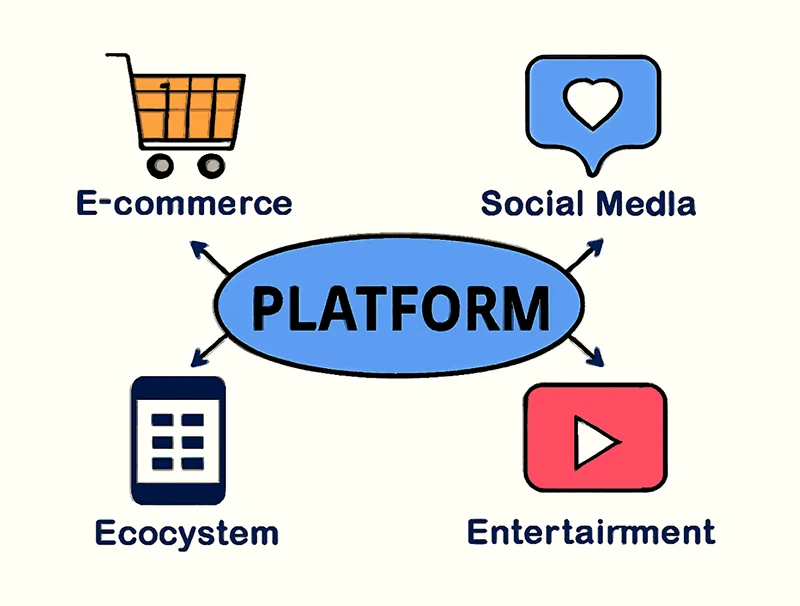
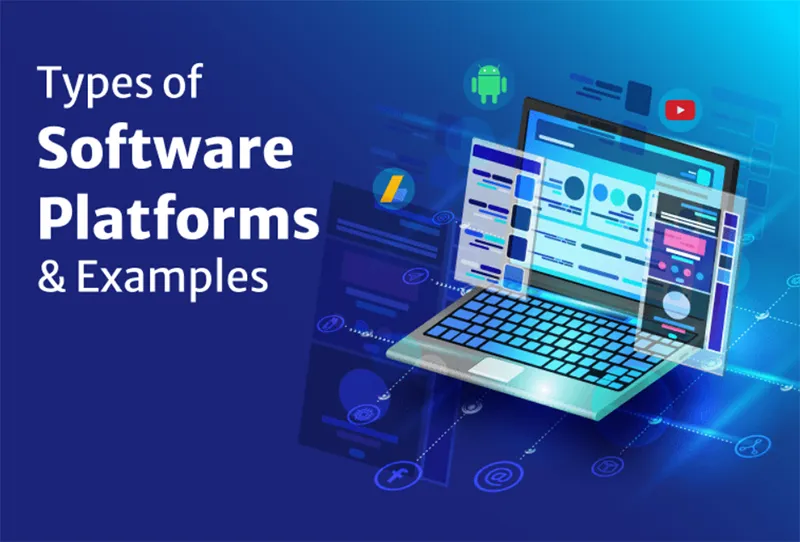
A platform is a foundation—a reusable software layer that provides a set of services, rules, and infrastructure upon which other applications or services can be built, hosted, and operated. It’s an environment designed to enable interaction between multiple groups, typically users and third-party developers. This is why the term software platform is often used interchangeably with “platform” in the technology context.
- Focus: Creating an ecosystem, enabling third-party innovation, and facilitating exchange between users and providers.
- Examples: Operating systems (like iOS, Android, Windows), social networks that allow third-party games/tools (like Facebook), cloud computing services (like Amazon Web Services – AWS), or even gaming consoles (like PlayStation).
- Architecture: Provides Application Programming Interfaces (APIs), developer tools (SDKs), infrastructure, and a marketplace. It’s designed for extensibility.
- Value: Creates network effects by connecting different market participants, fostering innovation, and lowering the barrier to entry for application development.
Software Platform vs. Application: The Architectural Divide
The most significant difference lies in their architectural roles and the direction of value creation.
You may be interested Why Marketing Automation Platforms Matter
| Feature | Software Platform | Application |
| Role | Foundation, Ecosystem, Host | Specific Tool, End-User Utility |
| Value Direction | Enables others to create value (two-sided market) | Delivers direct value to the end-user (one-sided) |
| Extensibility | High; designed to be extended via APIs and SDKs | Low; self-contained functionality |
| Core Goal | To attract developers and users to the ecosystem | To execute a specific task or function efficiently |
| Monetization | Transaction fees, subscription for infrastructure, licensing | Direct sales, subscription fees, in-app purchases |
The Platform as an Enabler
A true software platform is characterized by its ability to support an ecosystem. For instance, Android is a powerful software platform because it provides a Kernel, runtime environment, and a vast set of APIs that thousands of developers use to build unique applications. The platform defines the rules, handles low-level functions (like memory management and security), and provides the distribution channel (Google Play Store). The value of the Android platform grows exponentially with every successful application built for it.
The Application as a Consumer
Conversely, a mapping application like Google Maps or a note-taking application like Evernote consumes the services provided by the underlying platform (e.g., iOS or Windows). The application leverages the platform’s ability to access the camera, display graphics, use network connectivity, and store data. It does not offer its core services for other developers to build upon; its function is self-contained and focused on the user’s task.
Key Differences Between Application Development Platforms and Applications
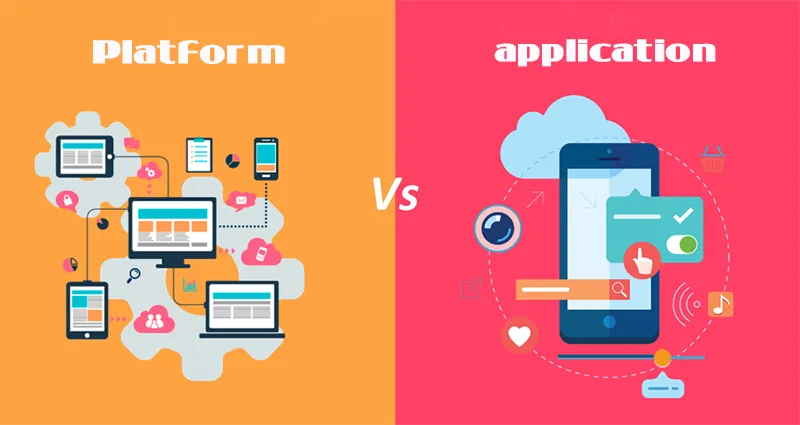
The distinction between an Application Development Platform and an Application is fundamental to modern software architecture and business strategy. While an application is a direct tool for the end-user, a platform is the foundational environment that enables the creation and operation of multiple tools.
You may be interested The Definitive Guide to the best ai sales tools for automation
The Role of the Platform as an Enabler
An Application Development Platform provides the critical infrastructure required for the entire software lifecycle. This includes components that abstract away complexity, such as:
- APIs (Application Programming Interfaces): To expose reusable services (like security or data management).
- Runtime Environment: The consistent space where the application code executes.
- Security & Governance: Built-in tools for identity management and compliance across all applications built on the platform.
An Application merely consumes these services. For example, a photo-sharing app (Application) uses the iOS platform’s camera API, storage, and push notification services. The app focuses entirely on the user experience and the specific task (sharing photos), not the underlying technical complexity.

Strategic and Economic Implications
The choice between building an app and investing in a platform is strategic:
- Platform: Represents a long-term investment aimed at reducing future development costs through component reuse and standardization. It allows the business to rapidly deploy new internal applications without starting from scratch, fostering enterprise-wide digital transformation. It often involves a two-sided market approach (connecting developers and users).
- Application: Represents a focused investment to meet a specific, immediate need. While fast to deploy, multiple isolated applications can lead to data silos, integration bottlenecks, and vendor lock-in if they lack an open architecture.
The Hybrid Model: Platform-Applications
The lines often blur when a successful enterprise application, like the core CRM offered by Salesforce, becomes so widely adopted that its owner transforms it into a Platform. In this scenario, Salesforce still offers its primary CRM Application, but simultaneously provides the Lightning Platform (the Application Development Platform) which allows customers and third-party vendors to build custom applications that run natively within the Salesforce environment, leveraging its shared data model.
In such a hybrid structure, the platform is the extensible, architectural layer, and the company’s main product is the feature-rich, out-of-the-box application that sits on top of it.
How to choose between a platform and an application
To choose between a platform and an application, consider three key factors:
- Assess project requirements: Consider the specific needs of your project. Platforms are suitable for extensive customization and scalability, while applications are better for straightforward tasks with well-defined requirements.
- Evaluate long-term goals: Consider the long-term strategy of your IT environment. Platforms provide more flexibility for future growth and changes.
- Resource availability: Assess your resources and expertise to determine whether developing on a platform or implementing an application is more feasible.
You may be interested Best ai stock trading bot free solutions
When Your Business Build a application vs platform?
When to Build an Application (App)
An Application is a focused, single tool designed to solve one specific problem for the end-user. It requires less upfront investment and allows for faster market entry.
| Criteria | Rationale | Example |
| Specific, Isolated Problem | You need a straightforward solution for a clear function (e.g., time tracking, a simple utility, internal reporting). | A bespoke mobile app for field service technicians to log work orders. |
| Limited Budget & Tight Timeline | The upfront cost and development time for an application are significantly lower than for a comprehensive platform. | A startup building a Minimum Viable Product (MVP) to test a core concept quickly. |
| Focus on End-User Experience | Your primary goal is to deliver an excellent, seamless user interface for a single task without complexity. | A consumer-facing fitness tracker or a simple photo-editing app. |
| Minimal Integration Needed | The software operates effectively as a standalone tool with little to no requirement for third parties to build on top of it. | An internal corporate tool for managing employee vacation requests. |
When to Build a Platform
A Platform is a foundational technology ecosystem that enables multiple applications, services, and users to interact and create value. It is a long-term, high-investment strategy focused on scale and network effects.
| Criteria | Rationale | Example |
| Creating an Ecosystem | Your business model relies on connecting two or more distinct user groups (e.g., buyers and sellers, developers and users) to facilitate transactions or interactions. | Shopify, which connects e-commerce store owners and app developers/service providers. |
| Need for Extensibility & Scaling | You plan for significant, long-term growth, need to support multiple future applications, and must allow third parties to integrate or build custom solutions. | Salesforce started as an App (CRM) but evolved into a Platform (Force.com) for building business apps. |
| Data Centralization & Shared Services | You require a unified architecture where all data, security, and core business logic are shared across an entire suite of products or business units. | A large bank creating an internal development platform to standardize all customer-facing applications. |
| Generating Network Effects | The value of your product increases exponentially as more partners, developers, or customers join and use the system. | Android/iOS, which become more valuable the more apps and users they have. |
The Strategic Path: App First, Platform Later
For many businesses, especially startups, the most pragmatic path is to start by building a highly successful Application that solves a critical problem and then, once proven, strategically evolve it into a Platform.
- Phase 1: Build the Core Application. Focus ruthlessly on one killer feature to achieve Product-Market Fit. Keep the architecture clean and modular (platform-ready).

- Phase 2: Add Extensibility. Once you have a loyal user base, begin exposing APIs (Application Programming Interfaces) to allow key partners or internal teams to connect their systems. This is the moment the App starts becoming a Platform.
- Phase 3: Scale into a Platform. Standardize the shared infrastructure, release SDKs (Software Development Kits) or developer tools, and actively recruit third parties to build on your foundation, solidifying your ecosystem.
You may be interested The Definitive Guide to the best ai sales tools for automation
Can an Application Also Be a Platform?
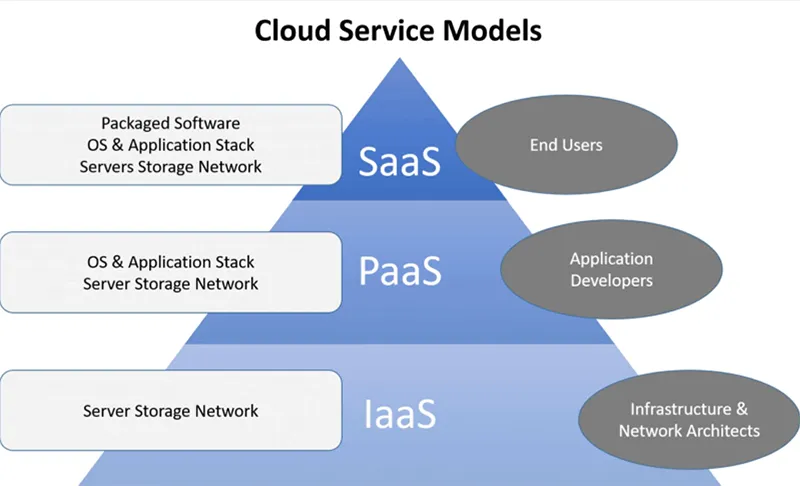
An application can also be considered a platform when it performs meaningful work within an organization or industry. This concept aligns with the Platform-as-a-Service (PaaS) model in cloud computing. For instance, Salesforce functions as an application providing customer relationship management (CRM) solutions, yet it also serves as a platform that enables developers to build custom applications using its tools and services.
Similarly, an RDBMS (Relational Database Management System) is not only an application for storing, managing, and querying data, but it also acts as a platform for developing other applications. Developers can leverage an RDBMS to manage customer data and integrate it into larger software solutions.
An application becomes a platform when it offers a framework or ecosystem for others to build upon. For example, WordPress allows users to create websites and blogs, but it also serves as a platform supporting thousands of plugins, themes, and APIs that extend its functionality. Developers can use these tools to build customized websites without starting entirely from scratch.
You may be interested AI to buy and sell crypto (Suggested paid and free tools)
Platforms vs. Apps: What Will They Be Like in the Future?
The future of platforms and applications will be shaped by multiple factors — including technological innovation, market competition, user demand, and increasing social and regulatory pressures. Experts predict several key trends that will define their evolution over the next decade:
- Hyperconnectivity through 5G and IoT. The rise of 5G networks and the Internet of Things (IoT) will dramatically enhance digital connectivity, enabling faster and more reliable data exchange. This will fuel the growth of highly personalized and data-driven services across industries such as healthcare, mobility, manufacturing, and retail.
- Shift Toward Edge and Decentralized Computing. As platforms adopt more distributed and decentralized infrastructures, they will be able to operate closer to users and connected devices at the network’s edge. Leveraging technologies like blockchain, cloud computing, and artificial intelligence will enhance security, efficiency, and scalability.
- The Next Frontier: Quantum, Neuromorphic, and Nanocomputing. The convergence of quantum computing, neuromorphic systems, and nanotechnology represents the next leap in computational capability. This integration promises to revolutionize how problems are solved, redefine digital experiences, and unlock entirely new realms of scientific and technological discovery.

- Platform Competition and Market Consolidation. The growing dominance of a few global platforms, alongside the emergence of innovative challengers from new regions and sectors, will intensify competition. This dynamic will likely lead to further consolidation, mergers, and strategic alliances among major players.
- Stronger Governance and Ethical Oversight. With greater influence comes greater responsibility. To address social and ethical concerns — including privacy, security, fairness, accountability, and sustainability — platforms will face more stringent regulation and governance. Balancing the interests of diverse stakeholders such as users, developers, partners, and regulators will become essential.
- Continuous Innovation and User-Centric Design. Sustained innovation will require developing specialized platforms and expanding existing ones with new features and capabilities. Keeping pace with evolving user behaviors — particularly the demand for more engaging, interactive, and immersive experiences — will be critical to staying competitive.
You may be interested AI sales automation for wholesale distributors
Conclusion: The Ecosystem of Digital Innovation
In summary, the relationship between platform vs. application is one of host to guest, foundation to structure, and enabler to consumer.
- The software platform is the engine and the marketplace. It is designed for scale, openness, and to generate value through connectivity and third-party participation.

- The application is the product and the tool. It is designed for immediate, specific function and direct user experience.
The digital economy thrives on this hierarchical relationship. Robust, well-governed platforms foster the innovation that leads to better, more numerous applications. The successful interplay between the foundational platform and the functional application is what drives continuous evolution in technology, ensuring that users have a vast and continually improving array of tools to solve any problem.
A user-friendly AI platform that’s easy to deploy, helping SMEs automate processes, boost efficiency, and connect with customers naturally.
LIKEFLOW – Smarter AI, Faster Growth
- Phone : +1(719) 313 7576
- Email : support@likeflow.ai
- Address : 1942 Broadway St. STE 314C Boulder CO 80302



Leave a Reply