Artificial Intelligence is no longer a futuristic concept—it’s here, shaping the way we live, work, and communicate. Among the most popular applications of AI today are chatbots – intelligent virtual assistants that can answer questions, guide users, and even hold meaningful conversations. If you’ve ever wondered how to make AI chatbot, how to make AI chat, or how to create AI bot from scratch, you’re in the right place.

This in-depth guide will walk you through everything: from understanding what AI chatbots are, to the tools and frameworks available, to practical steps for building one. Whether you’re a beginner exploring the basics or a developer looking to refine your skills, this article will provide you with clear insights.
What Is an AI Chatbot?
An AI chatbot is a program designed to simulate human conversation using natural language processing (NLP) and machine learning (ML). Unlike rule-based chatbots, which rely on predefined scripts, AI chatbots can understand context, learn from interactions, and provide intelligent responses.

Key Features of an AI Chatbot
- Natural Language Understanding (NLU): Ability to understand user input beyond exact keywords.
- Context Awareness: Keeps track of conversation flow and user history.
- Learning Ability: Improves performance over time by analyzing conversations.
- Integration: Can connect with apps, websites, and social platforms.
Knowing these features will help you better understand how to make AI chatbot that feels natural and engaging.
You may be interested The Future of AI Agentic Workflows
Why Build an AI Chatbot?
Before learning how to make AI chat, it’s important to know why chatbots matter. Businesses and individuals are investing in AI bots because they offer:
- 24/7 customer support without hiring large teams.
- Personalized user experience by learning from data.
- Scalability – handling thousands of conversations at once.
- Cost reduction compared to human-only support.
- Lead generation & sales assistance by guiding users through funnels.

If you’re an entrepreneur, developer, or even a student, knowing how to create AI bot can give you a powerful edge.
Types of AI Chatbots
When you start learning how to make AI chatbot, you need to choose the type of bot to build.
Rule-Based Chatbots
- Use predefined rules and keywords.
- Easier to create but limited in flexibility.
- Example: FAQ bots.

AI-Powered Chatbots
- Use NLP and machine learning.
- Can handle complex queries.
- Example: Virtual assistants like ChatGPT, Alexa, or Google Bard.
For most modern applications, you’ll focus on AI-powered bots when figuring out how to make AI chat or how to create AI bot.
You may be interested AI Workflow Automation: Transforming Business Processes
Essential Technologies Behind AI Chatbots – Tools and Platforms for Building AI Chatbots
Essential Technologies Behind AI Chatbots
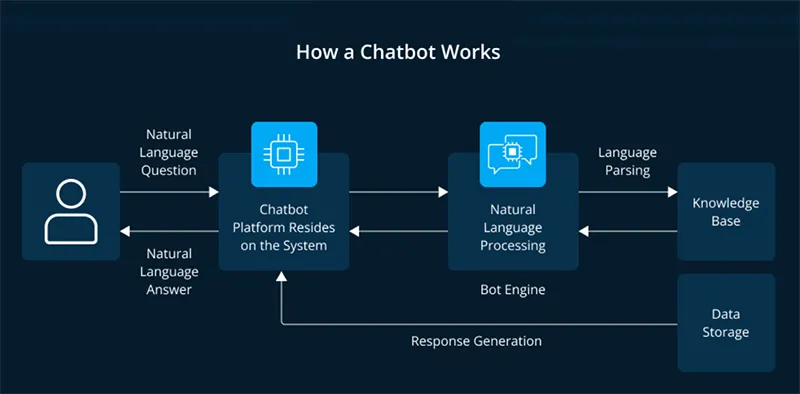
Understanding the technology stack is a crucial step in learning how to make AI chatbot.
- Natural Language Processing (NLP): Helps bots understand human language.
- Machine Learning (ML): Enables bots to learn from data and improve over time.
- Dialog Management: Keeps track of conversations.
- APIs & Integrations: Connects the chatbot with platforms like Facebook Messenger, WhatsApp, Slack, or websites.
- Databases: Stores user queries, preferences, and training data.
Tools and Platforms for Building AI Chatbots
If you’re new to programming, you may want to use chatbot platforms. If you’re a developer, coding from scratch may be ideal. Here are popular tools:
No-Code/Low-Code Platforms
- Chatfuel – Great for Facebook bots.
- ManyChat – Ideal for marketing and lead generation.
- Tidio / Drift – Focus on customer support.

Developer-Focused Frameworks
- Rasa – Open-source, highly customizable.
- Microsoft Bot Framework – Integrates with Azure AI services.
- Dialogflow (by Google) – Easy to use, with built-in NLP.
Knowing the right tools helps streamline the process of how to create AI bot for your specific needs.
You may be interested List of free llm models to use unlimited
Steps: How to Make AI Chatbot
Now, let’s dive into the step-by-step process of how to make AI chatbot from scratch.
Step 1: Define Your Goal
Ask yourself:
- What purpose will the chatbot serve?
- Who is the target audience?
- Should it provide customer service, education, or entertainment?
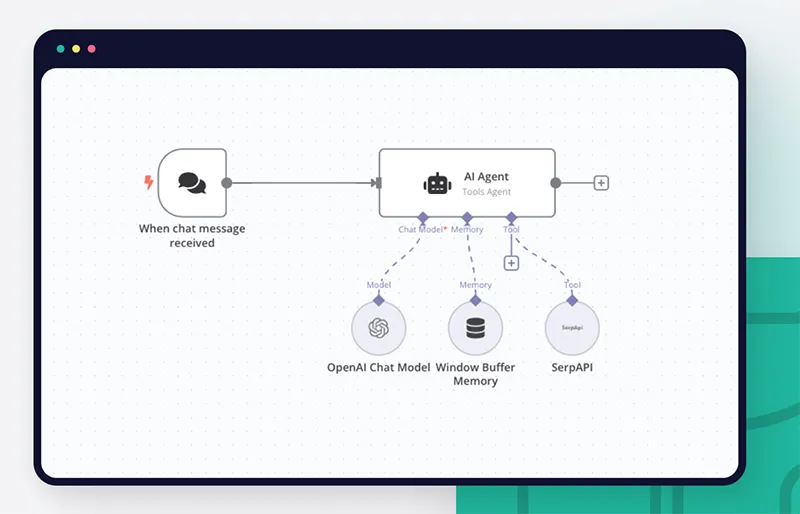
Step 2: Choose Your Platform
Decide if your chatbot will live on:
- A website
- A mobile app
- Messaging apps like WhatsApp, Facebook Messenger, or Telegram
Step 3: Select the Technology
If you want full control, choose frameworks like Rasa or TensorFlow. If you want speed, use platforms like Dialogflow.
You may be interested Ai search engine: Transforming How We Find Information
Step 4: Design the Conversation Flow
Sketch user journeys. Anticipate questions users might ask and plan possible responses.

Step 5: Train the Bot with NLP
Feed the chatbot with intents (user goals) and entities (specific information).
Example:
- Intent: Book a flight
- Entity: Destination: New York, Date: 20th Oct
Step 6: Integrate APIs
Connect to external data sources. For example, a weather chatbot uses weather APIs to fetch real-time forecasts.
Step 7: Test the Chatbot
Simulate conversations to identify flaws.
Step 8: Deploy and Monitor
Launch the chatbot on your chosen platform. Continuously track performance and optimize.
This structured approach is key when figuring out how to make AI chat or how to create AI bot that users actually enjoy.
You may be interested AI Image Search: The Future of Visual Discovery
Challenges When Creating an AI Chatbot & Best Practices for Making AI Chatbots
Learning how to create AI bot also means understanding its challenges:
- Language Ambiguity: Human language can be vague.
- Data Requirements: Training requires large, high-quality datasets.
- Context Management: Maintaining conversation flow is complex.
- Security: Protecting user data is crucial.
- Bias in AI: Models can reflect biases present in training data.

When working on how to make AI chat, follow these best practices:
- Keep It Simple First – Start small before scaling.
- Prioritize User Experience – Make interactions natural.
- Provide Human Handoff – Allow transfer to human support when needed.
- Monitor & Improve – Use analytics to refine.
- Ensure Privacy – Be transparent about data usage.
LikeFlow Review: A Simple and Fast Tool to Create AI Chatbots
Artificial intelligence is transforming the way businesses interact with customers, and chatbots are at the center of this change. While there are many platforms available, not all of them are user-friendly or efficient for beginners. This is where LikeFlow stands out—a tool designed to help you create AI chatbots quickly, without requiring advanced technical skills.

LikeFlow is an AI-powered chatbot creation platform that allows users to design and deploy conversational bots with minimal effort. Unlike traditional frameworks that demand coding knowledge, LikeFlow focuses on simplicity, speed, and accessibility. Whether you want to add a chatbot to your website, e-commerce store, or customer support channel, LikeFlow makes the process straightforward.
Key Features of LikeFlow
- No-Code Bot Builder
LikeFlow provides a drag-and-drop interface, making it possible for anyone to build a chatbot without writing a single line of code. - AI-Powered Conversations
The platform leverages AI and natural language processing (NLP) to create bots that understand context and provide smart, human-like responses. - Quick Deployment
One of LikeFlow’s biggest advantages is speed. You can go from idea to a fully functional AI chatbot in just a few minutes. - Omnichannel Support
LikeFlow supports integration with websites, messaging apps, and customer service tools, so your bot can meet users where they are. - Customization
You can tailor your chatbot’s tone, personality, and conversation flows to match your brand identity. - Analytics and Insights
LikeFlow provides reporting features to track user interactions, helping you improve performance and engagement.

Benefits of Using LikeFlow
- Ease of Use: Perfect for beginners who want results fast.
- Time-Saving: Eliminates the steep learning curve of coding-heavy platforms.
- Scalable: Works for both small websites and larger businesses.
- Affordable: More budget-friendly compared to complex enterprise chatbot solutions.
- User Engagement: Enhances customer experience with 24/7 intelligent support.
Potential Limitations
While LikeFlow is a powerful tool, it may not be the right fit for everyone.
- Limited Advanced Customization: Developers looking for deep backend control may find it less flexible than frameworks like Rasa.
- Dependence on Templates: AI quality depends on pre-built models, so highly specialized use cases might require extra adjustments.
Who Should Use LikeFlow?
- Small business owners who want to add chatbots without hiring developers.
- Marketers looking to engage leads through AI-driven conversations.
- Customer support teams that need a fast and reliable assistant.
- Website owners who want to improve user interaction effortlessly.
If you’re searching for a tool that makes AI chatbot creation fast, simple, and effective, LikeFlow is a great choice. It combines ease of use with intelligent features, making it ideal for beginners and small to medium-sized businesses. While it may not replace highly customizable developer frameworks, its speed and simplicity give it a strong edge in the market.
You may be interested AI Chat Pro: The Smart AI Assistant
Frequently Asked Questions (FAQs)
Q1. Do I need to know programming to build an AI chatbot?
Not always. Platforms like Chatfuel, Tidio, or Dialogflow allow you to build without coding. But if you want full control, coding knowledge helps.
Q2. How long does it take to create an AI bot?
It depends. A simple bot may take a few hours, while a complex AI chatbot can take weeks or months.
Q3. What’s the difference between a chatbot and a virtual assistant?
A chatbot often handles specific tasks (e.g., booking tickets). A virtual assistant like Alexa can handle multiple domains.
Q4. Can I monetize my chatbot?
Yes! You can use it for customer service, lead generation, or even subscription-based personal assistants.
Q5. What skills do I need to learn how to make AI chat effectively?
- Basic programming (Python, JavaScript)
- NLP concepts
- Understanding APIs
- UX design for conversations
You may be interested AI Voice Generators: Free Tools & the Best Options Over the Years
Building an AI chatbot is no longer something reserved for big tech companies. With the right tools, clear goals, and a step-by-step process, anyone can create a smart, interactive chatbot to improve customer service, automate tasks, or even boost sales. Whether you choose a no-code platform or prefer to code your own solution, the key is understanding your audience and training the bot to deliver real value.
If you’re ready to take the next step, start experimenting today and see how an AI chatbot can transform your business. For more guides and resources on how to make AI chatbot, stay tuned to our blog.
A user-friendly AI platform that’s easy to deploy, helping SMEs automate processes, boost efficiency, and connect with customers naturally.
LIKEFLOW – Smarter AI, Faster Growth
- Phone : +1(719) 313 7576
- Email : support@likeflow.ai
- Address : 1942 Broadway St. STE 314C Boulder CO 80302



Leave a Reply