The right AI marketing tools can streamline workflows, automate repetitive tasks, and deliver hyper-personalized customer experiences. In this ultimate guide, we’ll explore AI tools for marketing, the best AI marketing tools available now, and strategies for using AI for marketing effectively.
What Is AI Marketing?
AI marketing describes the use of artificial intelligence technologies – such as machine learning, natural language processing (NLP), predictive analytics, and generative AI – to improve and automate marketing processes. Rather than relying solely on manual decision-making, marketers can employ AI systems to:
- Analyze vast amounts of data in seconds
- Predict customer behavior and trends
- Automate content creation, ad bidding, segmentation
- Deliver dynamic personalization at scale
By implementing AI in marketing, businesses can make smarter decisions, reduce human error, and maximize ROI.
You may be interested The Rise of AI Marketing Agents
Why Use AI Tools for Marketing?
Here are some of the key reasons businesses deploy AI tools for marketing:
Speed & Scalability. Human marketers can’t manually process millions of data points. AI can analyze massive datasets instantly and scale processes (e.g. content generation, ad testing) across many campaigns.
Personalization at Scale. AI systems can tailor messages, offers, and content to individual users, boosting conversion and engagement rates.
Smarter Insights & Forecasting. Predictive analytics and AI-driven dashboards reveal trends, customer churn, lifetime value, and other metrics you might otherwise miss.
Cost Efficiency. Automating repetitive tasks means fewer manual hours, fewer mistakes, and more efficient allocation of resources.
Competitive Edge. Early adopters of AI marketing tools are often able to respond faster to market shifts, optimize faster, and iterate campaigns quickly.
Criteria for Choosing the Best AI Marketing Tools
Before you select a tool, here are some key criteria to consider:
- Integrations: Does the tool integrate with your CRM, CMS, or advertising platforms?
- Scalability: Can it keep up with your business growth?
- Output quality & human oversight: AI is powerful, but you still need to review, edit, and fine-tune.
- Pricing & payment model: Does it offer a free or freemium plan?
- Data security & compliance: Make sure the tool complies with GDPR and your local data regulations.
- Community & support resources: Look for tutorials, blogs, case studies, and responsive customer support.
With those in mind, here’s a list of the best AI marketing tools recommended for 2025 (expanded and refined from Marketer Milk’s article).
You may be interested AI marketing automation
5 Effective Ways to Use AI in Marketing
Knowing the tools isn’t enough – here’s how to create value by actually using AI for marketing:
Integrate AI into your content pipeline
- Use AI for topic ideation.
- Draft with Jasper or Brandwell.
- Optimize with Surfer SEO or ContentShake.
- Polish with Grammarly or Hemingway.
- Always finish with human editing.
Optimize ads & budgets
- Tools like Albert.ai or built-in AI from Facebook/Google can handle bidding and creative testing.
- AI identifies top-performing channels for better ROI.
Chatbots & customer interaction
- Deploy Chatfuel or Userbot to automate replies and lead generation.
- Transfer to humans when needed while bots continue learning.
Behavior analysis & personalization
- Use FullStory and Browse AI to understand visitor behavior.
- Personalize campaigns based on demographics and activity.
Brand monitoring & feedback
- Leverage Brand24 to track mentions.
- Respond to negative feedback quickly, amplify positive mentions.
You may be interested AI digital marketing: How Artificial Intelligence is Transforming Customer Engagement
25+ Best AI Marketing Tools in 2025
LikeFlow – AI Workflow Builder & Automation
LikeFlow is an emerging AI-powered workflow builder designed to simplify complex business processes without requiring coding knowledge. At its core, the platform allows users to create intelligent workflows by connecting AI agents with existing tools and apps, enabling automation that feels dynamic and adaptive rather than rigid. What makes LikeFlow particularly valuable is its focus on AI agent behavior—workflows aren’t just static triggers; they can analyze inputs, make decisions, and adjust actions based on context. This opens new possibilities for businesses in marketing, customer support, operations, and even healthcare.

The interface is user-friendly, with drag-and-drop elements that make building workflows intuitive. Teams can automate repetitive tasks like lead qualification, content distribution, or report generation while maintaining flexibility for customization. LikeFlow also integrates with communication platforms such as Slack, embedding automation directly into daily team interactions. This reduces friction and ensures AI becomes a natural part of the workflow rather than an add-on.
While LikeFlow is still growing compared to giants like Zapier, its emphasis on intelligent automation positions it as a strong contender in the workflow builder space. For businesses seeking scalable, AI-driven operations, LikeFlow offers an innovative way to boost efficiency, cut costs, and empower teams to focus on higher-value work.
Gumloop – AI Automation & Workflow
Gumloop is a powerful automation tool that connects leading large language models (LLMs) such as GPT-4, Claude, and others directly with your internal systems. Its main strength lies in eliminating the need for coding, making it accessible even to non-technical teams. Businesses can automate repetitive tasks like data scraping, workflow triggers, or customer queries without relying on developers. This not only speeds up processes but also reduces operational costs.
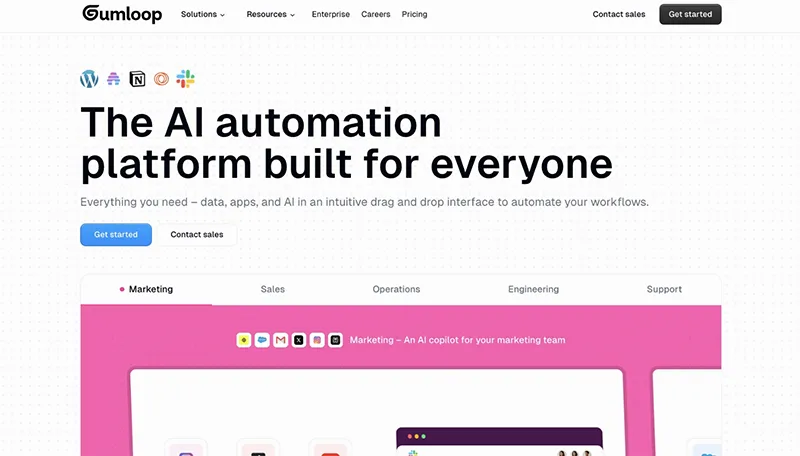
However, Gumloop is not a “set it and forget it” solution. To maximize its potential, users must carefully monitor API costs since frequent AI requests can quickly add up. Another crucial factor is data cleanliness—poorly structured input data can lead to inaccurate or low-quality results. For teams looking to streamline operations, Gumloop acts as a bridge between AI intelligence and real-world business workflows. It is particularly effective for startups and SMEs that want automation without building custom infrastructure. While it doesn’t replace human oversight, Gumloop provides an excellent foundation for scaling automation intelligently.

Note: Monitor API costs and ensure clean input data.
Surfer SEO – Content Optimization for SEO
Surfer SEO has become one of the go-to tools for content marketers who want to improve organic visibility without guessing what works. The platform analyzes keyword density, competitor strategies, and on-page elements to help you structure high-performing articles. What makes Surfer stand out is its seamless integrations with WordPress, Google Docs, and writing assistants like Jasper. This means writers can optimize content directly within their preferred environment. Surfer SEO also offers a content score that guides users in balancing readability with keyword relevance.

However, it’s important to note that Surfer SEO does not replace a comprehensive SEO strategy—it complements it. Businesses still need human expertise to build backlinks, understand search intent, and align with long-term goals. Used correctly, Surfer SEO can cut research time drastically, provide data-backed insights, and keep content aligned with search engine requirements. For marketers aiming to rank higher and stay ahead of competitors, it serves as a powerful tactical weapon in the SEO toolkit.
Note: Strong strategy is needed—AI won’t replace SEO expertise.
You may be interested Customer support tools for your business
Notion AI – Productivity & Creative Writing
Notion AI enhances the already versatile Notion workspace by embedding artificial intelligence directly into your productivity hub. It can generate text, summarize notes, answer queries, and even suggest creative writing improvements—all without leaving the app.
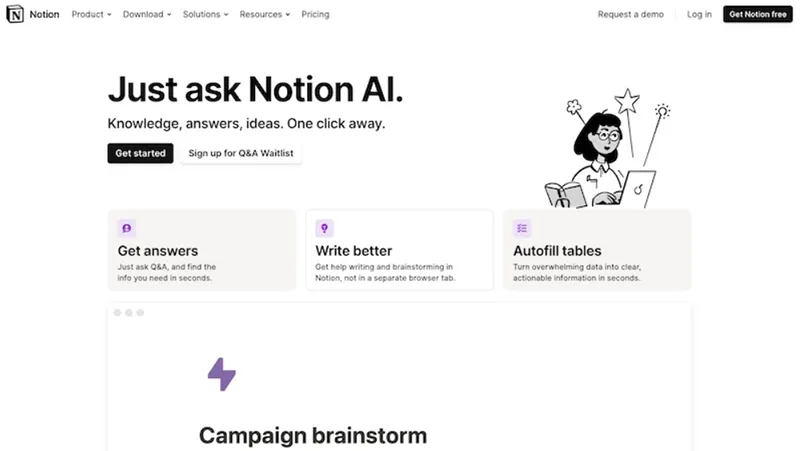
This makes it highly useful for teams that rely on Notion as their knowledge base and task manager. For example, project managers can use it to quickly draft meeting summaries, while writers can brainstorm outlines or refine content. Its biggest advantage is convenience: instead of switching between multiple AI tools, you can keep everything within your existing workflow.
However, there are considerations around data privacy. Users should be cautious about inserting sensitive or proprietary information until Notion’s data policies are fully clear. Overall, Notion AI is best suited for individuals and teams who want a productivity boost without sacrificing organization. It won’t replace in-depth research or original thought, but it does reduce friction in daily tasks, making work more efficient and enjoyable.
Note: Avoid exposing sensitive data if privacy policies are unclear.
Jasper AI – Content & Copywriting
Jasper AI is one of the most popular AI writing assistants, trusted by marketers and creators for generating blog posts, ad copy, and email campaigns. Its strength lies in speed and versatility—you can produce a rough draft in minutes, experiment with tone variations, and even generate creative hooks for ads. Jasper also integrates well with tools like Surfer SEO, making it valuable for content that needs to rank.

However, while Jasper excels at first drafts, human editing is still crucial. The tool can sometimes produce generic or overly repetitive text, which may not capture a brand’s unique voice. Teams that use Jasper effectively treat it as a collaborative partner rather than a replacement for writers. When combined with strong editorial oversight, Jasper accelerates content pipelines and frees up time for strategy. For businesses looking to maintain a consistent content output without scaling headcount drastically, Jasper AI offers a reliable and flexible solution.
Lexica Art – AI Image Generation
Lexica Art is an AI-powered image generator designed to help creators produce stunning visuals for blogs, social posts, or marketing campaigns. It specializes in generating artwork, thumbnails, and illustrations based on descriptive text prompts. The tool is particularly useful for bloggers and marketers who don’t have access to professional designers but still want high-quality visuals.

The better and more detailed your prompts, the stronger the output—Lexica thrives on precision. For example, you can request a “minimalist flat design thumbnail in blue tones” and receive tailored results in seconds. While it can’t yet fully replace human graphic design for complex branding projects, it’s an excellent companion for quick creative needs. One limitation is that AI-generated images may require light editing to match brand style guidelines. Nonetheless, Lexica Art is a cost-effective way to enrich content with visuals, making it more engaging and shareable without waiting on design bottlenecks.
You may be interested The Best ChatGPT Alternatives in 2025
LALAL.AI – Audio Noise Removal
LALAL.AI is a specialized AI tool designed for creators who need professional-grade audio without spending hours on editing. Its primary function is noise removal, making it especially valuable for podcasters, YouTubers, and video producers who often deal with background hiss, static, or environmental sounds. What sets LALAL.AI apart from traditional audio editors is its ability to separate vocals and instruments with remarkable precision. This means you can clean recordings while preserving natural voice quality—a feature that many competing tools struggle to balance.
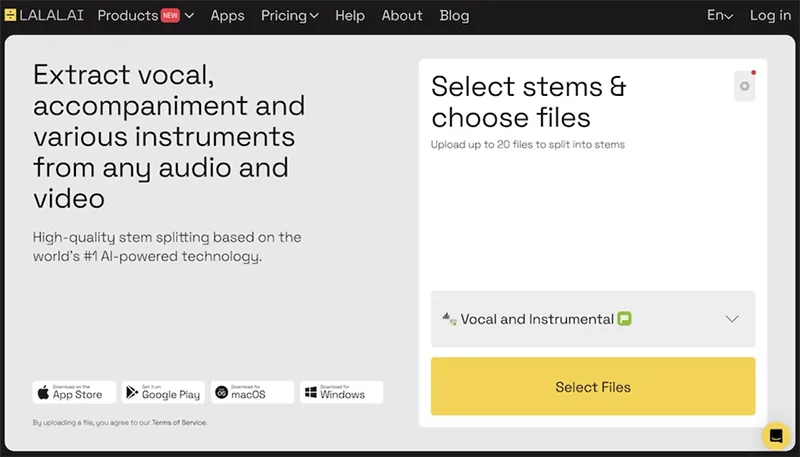
The interface is simple and user-friendly: upload your file, let the AI process it, and download the clean version. Unlike advanced digital audio workstations (DAWs), you don’t need technical expertise to achieve polished results. The biggest advantage is speed, allowing creators to focus more on storytelling and less on technical adjustments. That said, for highly complex projects requiring deep manual control, traditional audio editing software might still be necessary. Overall, LALAL.AI is a must-have utility for content creators who want quick, high-quality audio cleanup with minimal effort.
Crayo – AI-Powered Short Video Creation
Crayo is an AI-powered video creation tool tailored for the booming short-form video market, including TikTok, Instagram Reels, and YouTube Shorts. It offers scene planning, automated editing, voiceovers, and built-in effects, making it ideal for marketers and influencers who need fast, engaging video content. What makes Crayo stand out is its ability to streamline the creative process from idea to finished video within a single platform. Users can storyboard their concepts, generate AI-assisted scripts, and apply animations without needing advanced editing skills.

For businesses, this means producing polished promotional videos at scale without a dedicated video team. The tool is especially helpful for A/B testing different creative angles since videos can be generated quickly. While Crayo is excellent for social-first content, it may not yet replace professional editing tools for long-form or cinematic projects. Still, its efficiency, affordability, and simplicity make it a game-changer for digital marketers, startups, and creators aiming to stay relevant in today’s fast-paced social media landscape.
Brandwell (Content at Scale)
Brandwell, also known as Content at Scale, is designed to generate long-form, SEO-friendly articles that prioritize originality and depth. Unlike basic AI text generators, this tool is optimized for scaling blog content production without compromising on quality. Businesses can use it to draft in-depth guides, product comparisons, or knowledge-based resources that align with search intent.

One of its key strengths is its focus on originality—reducing the risk of repetitive or plagiarized content that might harm SEO performance. However, while the tool is strong at producing well-structured drafts, human oversight is still critical. Editors will need to refine tone, fact-check, and ensure that articles reflect a brand’s unique voice. When used strategically, Brandwell can drastically reduce research and writing time while still delivering content that ranks. For companies aiming to scale up their content marketing operations without overwhelming their in-house team, it represents a smart balance between automation and editorial quality.
You may be interested The Best AI Chatbot Tools in 2025
Originality AI – AI Content & Plagiarism Checker
As AI-generated writing becomes more common, businesses and educators need tools to distinguish human work from machine output. Originality AI serves this exact purpose by detecting sections of content likely generated by artificial intelligence. It also functions as a plagiarism checker, ensuring originality from both human and AI sources. For publishers, agencies, and academic institutions, this is critical to maintaining credibility and trust. One of its standout features is its ability to analyze text with high accuracy, giving users confidence in whether a piece of content has been machine-written.
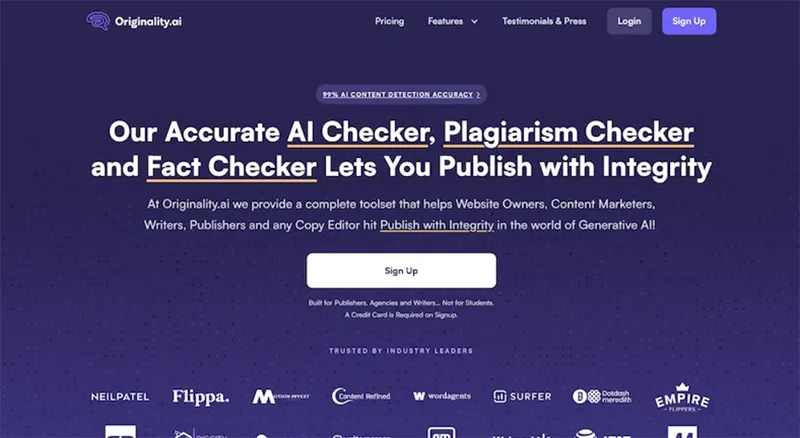
This makes it particularly useful for editors who rely on AI writers but want to keep the final output authentic. While no tool is 100% foolproof, Originality AI offers valuable insights that can guide editing and refinement. It is not meant to discourage AI use but rather to ensure transparency and quality control. For organizations navigating the blurred lines between human and machine-created content, Originality AI is an essential safeguard.
Writer.com – Team Writing & Brand Style Control
Writer.com is an AI-powered platform built for teams that need to maintain consistent voice and branding across all written content. Unlike generic writing assistants, it goes beyond grammar checking by enforcing brand-specific guidelines, approved vocabulary, and tone. This makes it highly valuable for companies with multiple writers, ensuring every piece of communication—from blog posts to sales emails—sounds aligned with the brand identity.
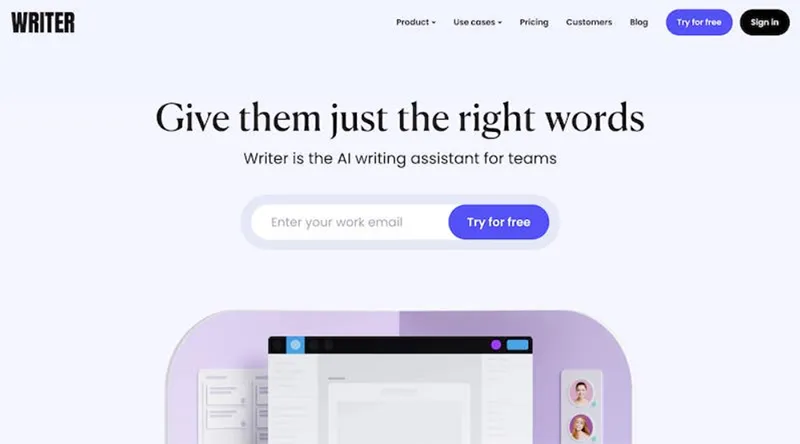
The platform also provides collaborative tools, allowing teams to draft, edit, and refine content together while adhering to style rules. While it shares some functionality with tools like Grammarly, Writer.com is more focused on enterprise-level content governance. It helps reduce inconsistencies that can confuse audiences or dilute messaging. The tradeoff is that initial setup may take time, as style rules and brand dictionaries need to be defined. Once in place, however, Writer.com acts like a brand guardian, making sure every word represents the company well. For marketing teams, PR professionals, and customer support departments, it’s a powerful solution for scaling communication without sacrificing consistency.
Undetectable AI – Humanizing AI Text
Undetectable AI is designed to transform machine-generated writing into text that feels authentically human. With the rapid adoption of AI tools for content creation, many businesses worry about detection by AI scanners or penalties from search engines. This tool solves that concern by refining sentence structures, adjusting word choice, and improving flow to mimic natural human expression.
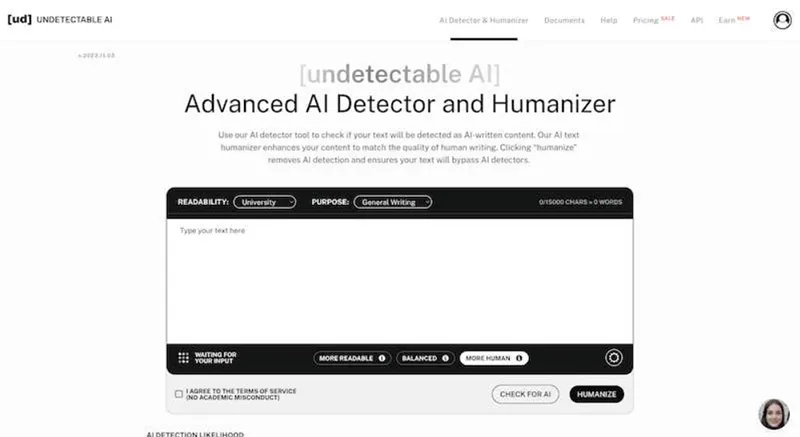
For marketers, bloggers, and students, it offers peace of mind that their AI-assisted work will pass as original and human-written. What sets Undetectable AI apart is its balance—it doesn’t simply shuffle words or overcomplicate text, but carefully reworks phrasing while preserving meaning. The result is content that is smoother, more nuanced, and less robotic. However, users should avoid over-reliance on it, as true brand voice still requires editorial input. In practice, it works best as a polishing layer after AI generation—making text publish-ready while reducing risks of being flagged. For anyone leveraging AI writing but still aiming for credibility, Undetectable AI is a highly valuable companion.
ContentShake AI – SEO + Data Integration
ContentShake AI, powered by Semrush, combines SEO intelligence with AI-assisted writing to produce highly optimized blog posts and web content. Unlike generic AI writers, ContentShake draws from Semrush’s keyword database, competitor insights, and content gap analysis to guide its suggestions. Users can generate outlines, receive keyword recommendations, and build structured drafts that are primed to rank well in search engines.
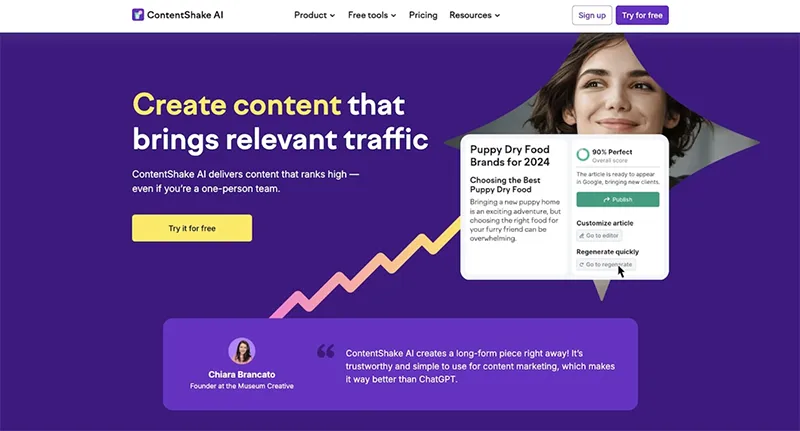
This makes it particularly useful for content marketers who want to balance creativity with measurable SEO outcomes. One of its strengths is seamless workflow integration—you can plan, write, and optimize all in one place. However, like most AI tools, it should not be treated as a substitute for strategy. Human oversight is necessary to ensure tone alignment, factual accuracy, and brand fit. Still, the combination of AI writing plus real SEO data gives ContentShake a significant edge over standalone content generators. For marketers seeking to scale high-quality, search-friendly content efficiently, it’s an excellent tool to have in the stack.
You may be interested List of free llm models to use unlimited
FullStory – UX Behavior Analytics
FullStory is a user experience (UX) analytics platform that helps businesses understand how visitors interact with their websites or apps. Unlike traditional analytics tools that only provide numbers, FullStory offers session replays, capturing real-time clicks, scrolls, and navigation patterns. This allows product managers, designers, and marketers to see exactly where users struggle, drop off, or get frustrated. Its AI-driven insights go one step further by automatically flagging friction points and suggesting areas for optimization.
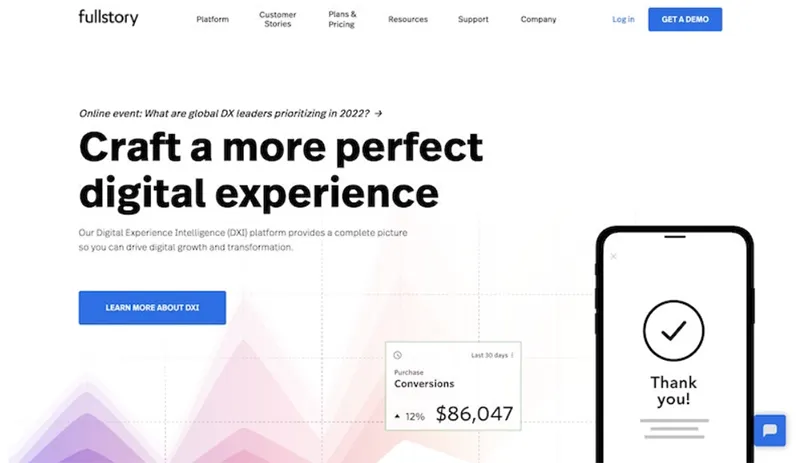
For example, if users repeatedly abandon a checkout page, FullStory can highlight the specific interactions that led to the drop-off. This level of visibility enables teams to make data-driven decisions quickly and improve overall customer satisfaction. The platform is particularly useful for eCommerce businesses, SaaS companies, and apps where seamless UX directly impacts revenue. While it requires careful setup and analysis, the payoff in usability improvements and conversion optimization is significant. In short, FullStory acts like a digital microscope, giving teams a deeper understanding of user behavior than raw data alone could provide.
Zapier – Workflow Automation
Zapier is one of the most widely adopted automation platforms, known for its ability to connect thousands of apps without requiring coding skills. It allows businesses and individuals to create “Zaps”—automated workflows that move data between apps or trigger specific actions based on conditions. For example, you can automatically send leads from a form submission to a CRM, create tasks in a project management tool, or update spreadsheets without manual effort.

The biggest advantage of Zapier is accessibility: anyone can set up workflows in minutes, even without technical expertise. Over time, it becomes a powerful backbone for productivity, eliminating repetitive tasks and reducing human error. While it’s incredibly versatile, users should be mindful of scaling—heavy automation or frequent triggers may require higher-tier plans. Additionally, some complex automations may still need more advanced platforms. Still, for most small and medium businesses, Zapier remains the gold standard in no-code automation. It empowers teams to save time, streamline processes, and integrate tools that otherwise wouldn’t communicate.
Hemingway App – Readability Enhancer
The Hemingway App is a writing tool focused on clarity, simplicity, and readability. Unlike AI content generators, it doesn’t write for you—it improves what you’ve already written. The app highlights long or complex sentences, overuse of adverbs, and passive voice, guiding writers toward clear and direct communication. This makes it especially valuable for bloggers, students, marketers, and business professionals who want their content to be easy to understand. Hemingway also provides a readability score, helping writers match their tone to their intended audience.
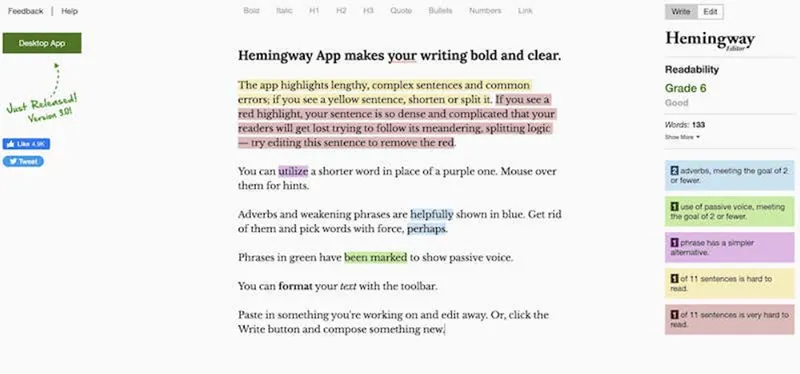
For example, a business article might aim for a Grade 8 readability level to appeal to a wider readership. The interface is minimalistic, keeping distractions low and edits straightforward. However, while it’s excellent for simplifying text, it should be used carefully for creative or technical writing where nuance is important. Over-editing can strip personality from content. When balanced correctly, Hemingway is a powerful editing assistant that ensures writing is polished, accessible, and impactful.
Chatfuel – AI Chatbot Builder
Chatfuel is a leading AI chatbot platform designed to help businesses create conversational assistants without coding. Originally popular for Facebook Messenger bots, it has since expanded to support websites, WhatsApp, and other messaging platforms. Chatfuel enables companies to automate customer support, lead generation, and sales funnels with interactive, AI-driven conversations.
The platform provides drag-and-drop templates, making setup accessible even for non-technical users. Businesses can design chat flows, integrate FAQs, and connect to CRMs or email systems to ensure seamless communication. One of its strongest features is its ability to route conversations—bots can handle common questions while transferring complex cases to human agents. This hybrid approach maintains efficiency without sacrificing customer experience. Chatfuel also supports personalization, allowing brands to tailor interactions based on user behavior or preferences.
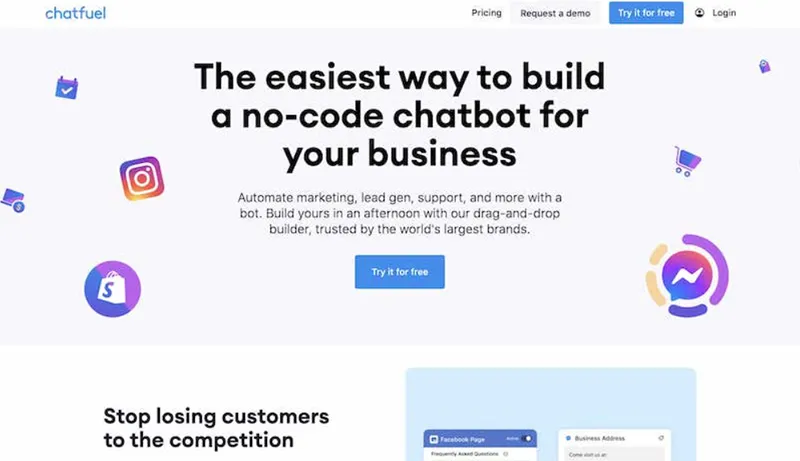
While it’s a powerful tool for engagement, effective chatbot design still requires thoughtful planning to avoid robotic or frustrating conversations. For small businesses and enterprises alike, Chatfuel offers a scalable way to improve customer interaction, reduce response time, and boost conversions through automated yet human-like conversations.
You may be interested How to make ai chatbot: A Complete Guide
Grammarly – Grammar & Style Assistant
Grammarly is one of the most well-known writing assistants, trusted by millions of users to polish text across emails, documents, and web platforms. It goes beyond basic spell-check by analyzing grammar, punctuation, tone, vocabulary, and even style. For professionals, Grammarly ensures that communications remain error-free and aligned with the intended tone, whether formal, casual, or persuasive.
The platform also integrates seamlessly with popular apps like Google Docs, Outlook, and Slack, making it a real-time companion for everyday writing. One standout feature is its tone detection, which helps writers understand how their message might be perceived—especially important in business communications. Grammarly Premium further enhances the experience with advanced suggestions for conciseness, clarity, and vocabulary enhancement.
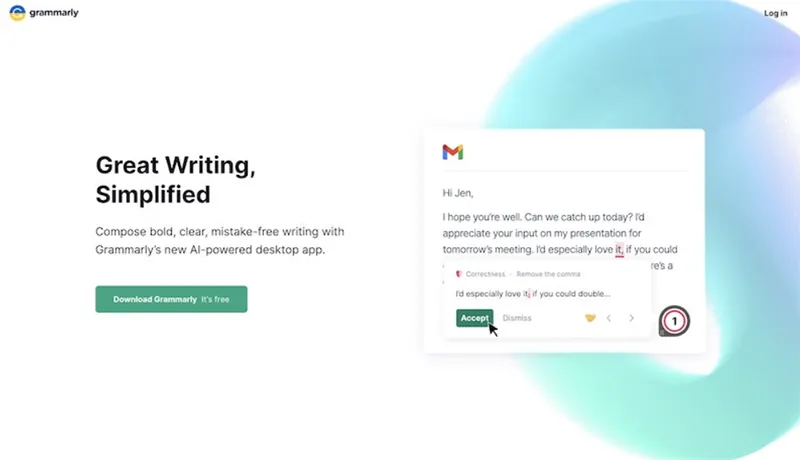
That said, while Grammarly is excellent for refinement, it should not replace a human editor in contexts that require nuance, brand voice consistency, or creativity. Used as a polishing tool, it saves time, prevents embarrassing mistakes, and improves confidence in writing. Whether for students, marketers, or business professionals, Grammarly is a must-have tool for clear, professional communication.
Albert.ai – AI Ad Optimization
Albert.ai is an autonomous marketing platform designed to optimize digital advertising campaigns across multiple channels. Unlike standard ad managers, Albert uses AI to analyze data, test creatives, and allocate budgets in real time. Its core advantage is automation at scale—removing the need for constant manual tweaking by marketers. Albert can run A/B tests, identify winning ads, and shift spending toward the best-performing strategies, all while minimizing wasted budget.
This makes it especially valuable for eCommerce businesses and brands running complex multi-channel campaigns. The platform also emphasizes learning over time, meaning campaigns become more efficient as Albert gathers data. However, while it reduces hands-on management, marketers should still oversee campaigns to align with brand goals and creative direction. Think of Albert as a co-pilot rather than a replacement—it handles optimization while humans provide vision. For companies seeking to maximize ROI from digital ads while reducing manual workload, Albert.ai delivers a significant competitive advantage in campaign efficiency and effectiveness.
Headlime – Landing Page Copy Generator
Headlime is an AI-powered tool built to help marketers generate high-converting landing page copy in minutes. With its intuitive interface, users can quickly craft headlines, subheadings, CTAs, and product descriptions that are optimized for persuasion. What makes Headlime valuable is its focus on conversion—every suggestion is designed to capture attention and drive action. The tool also offers templates tailored for different industries, from SaaS to eCommerce, reducing the guesswork in copywriting. For small businesses or startups without a dedicated copywriter, Headlime can save time and provide a professional starting point.

However, while it produces strong drafts, human editing is essential to inject brand voice and ensure authenticity. Used strategically, Headlime helps accelerate A/B testing by providing multiple variations quickly, allowing marketers to identify what resonates with their audience. While it won’t replace skilled copywriters for nuanced storytelling, it’s an excellent tool for speeding up landing page development and boosting conversion rates with less effort.
Userbot.ai – Smart Chat Management
Userbot.ai is a customer communication platform that combines AI automation with human support. It allows businesses to manage conversations across multiple channels—such as websites, apps, and messaging platforms—while intelligently deciding when to hand off to a human agent. Unlike traditional bots that may frustrate users with rigid responses, Userbot.ai continuously learns from interactions, improving its accuracy over time.
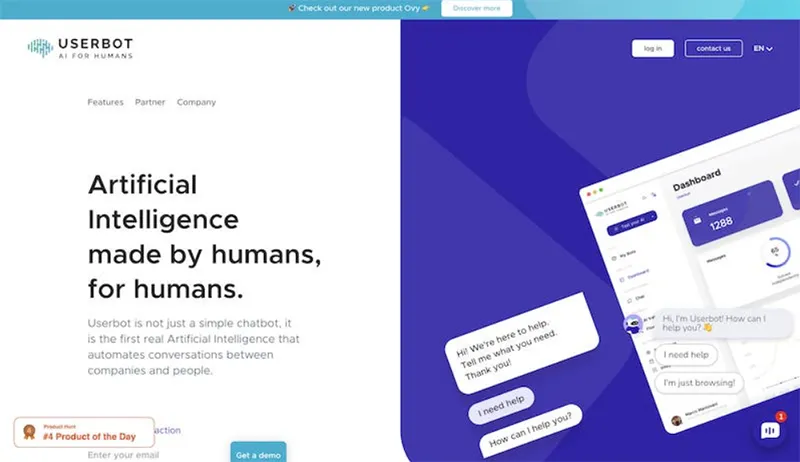
The platform excels in hybrid customer service: routine queries are handled automatically, while complex issues are escalated seamlessly. This reduces response times without sacrificing quality. Businesses can also use it for lead qualification, support ticketing, and sales inquiries, ensuring that every interaction is managed efficiently. Userbot.ai’s analytics provide insights into customer needs, helping companies refine both their AI responses and human workflows. While initial setup and training may require some investment, the payoff is a smoother, more scalable customer service experience. For companies looking to strike a balance between automation and personalized support, Userbot.ai offers an intelligent solution that enhances both efficiency and satisfaction.
You may be interested An ai overview is not available for this search
Browse AI – Web Scraping & Competitor Monitoring
Browse AI is an automation platform designed to simplify web scraping and competitor monitoring without requiring coding expertise. With just a few clicks, users can set up “robots” that extract pricing data, product listings, reviews, or any other structured information from websites. This makes it an invaluable tool for eCommerce brands tracking competitor catalogs, agencies conducting market research, or businesses keeping an eye on industry trends. One of Browse AI’s biggest advantages is its prebuilt robot templates, which allow beginners to get started quickly.
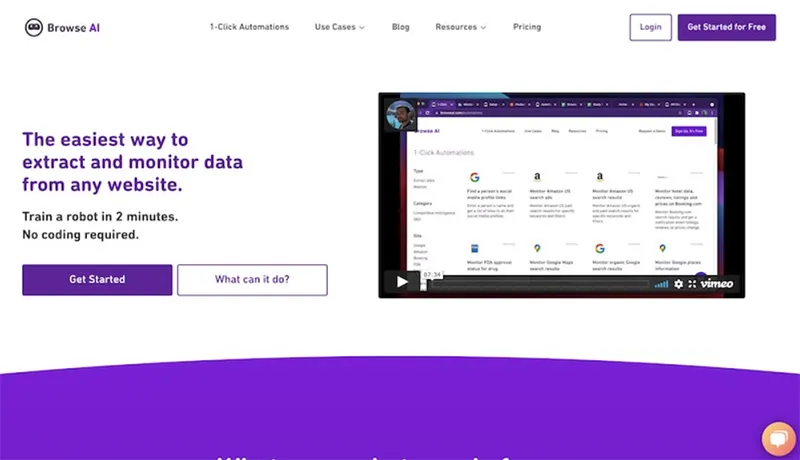
More advanced users can customize workflows, scheduling regular data extractions and integrating them into spreadsheets, CRMs, or reporting dashboards. The tool also offers monitoring features, notifying you of price changes, new product launches, or updated competitor strategies in real time. While it’s powerful, large-scale scraping may sometimes be limited by site restrictions, so careful configuration is required. For businesses seeking reliable, no-code competitor intelligence, Browse AI provides an efficient and scalable way to collect actionable insights.
Algolia – Site Search & Recommendations
Algolia is a search-as-a-service platform that enhances website and app search experiences. Unlike basic search bars, Algolia uses advanced AI algorithms to deliver lightning-fast, relevant, and personalized search results. This makes it particularly powerful for eCommerce stores, SaaS platforms, and content-heavy websites where user experience directly impacts conversions.
Features like typo tolerance, synonym recognition, and filtering ensure that users find what they’re looking for even if their search terms aren’t perfect. Beyond search, Algolia also powers product recommendations and content discovery, helping businesses increase engagement and sales. Its developer-friendly API makes it easy to integrate, while its analytics provide valuable insights into user behavior.
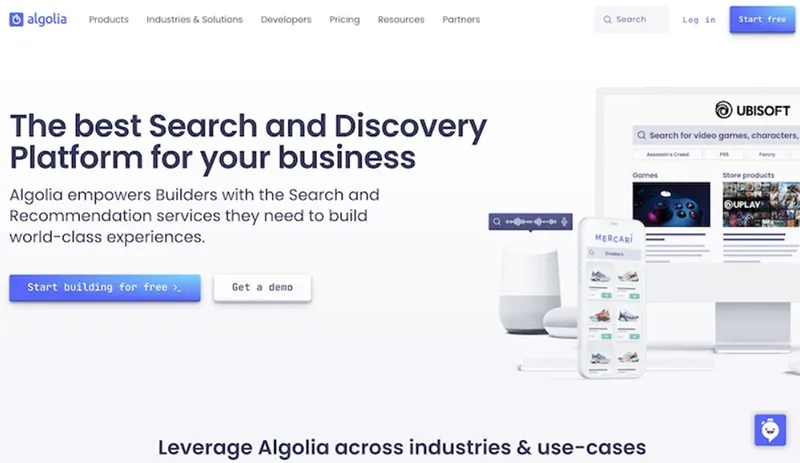
Although setup may require some technical expertise, the payoff in improved usability is substantial. Customers who can quickly find the right product or information are far more likely to convert. For businesses serious about optimizing site navigation and boosting revenue, Algolia is one of the most effective tools on the market.
PhotoRoom – Background Remover
PhotoRoom is an AI-powered tool that specializes in removing and replacing photo backgrounds with professional precision. It’s widely used by eCommerce sellers, marketers, and creators who need polished visuals for product listings, ads, or social media posts. Unlike manual editing in Photoshop, PhotoRoom automates the process—simply upload an image, and the background is instantly erased or replaced with a clean backdrop. The platform also offers templates for product catalogs, social posts, and marketing materials, making it versatile beyond background removal.

Mobile-friendly and intuitive, it empowers even non-designers to create high-quality visuals quickly. While it excels in efficiency, the tool may not handle extremely complex backgrounds as flawlessly as a professional editor. Still, for the majority of business and creative use cases, PhotoRoom delivers excellent results at scale. By cutting down design time and costs, it allows entrepreneurs and teams to focus on growth rather than editing details. For anyone managing online visuals, PhotoRoom is a must-have utility for speed and professionalism.
Reply.io’s AI Sales Email Assistant
Reply.io’s AI-powered Sales Email Assistant helps sales teams automate one of the most time-consuming parts of outreach: writing and managing cold emails. The tool generates personalized messages, follow-ups, and nurturing sequences, ensuring that communication feels tailored rather than robotic. It also integrates with CRMs, tracking engagement metrics like opens, clicks, and replies, allowing teams to adjust strategies based on performance.
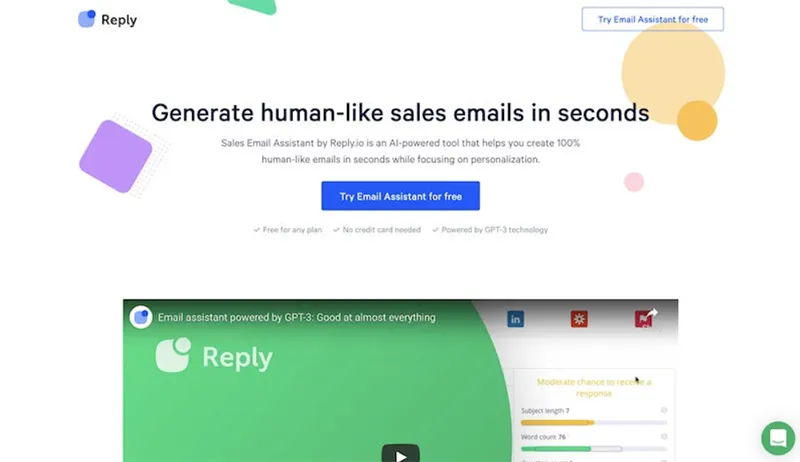
The AI assistant can suggest subject lines, refine tone, and even adapt to specific buyer personas, increasing the chances of positive responses. For sales professionals, this means more time spent on conversations and deal-closing rather than drafting repetitive emails. While AI can accelerate outreach, human oversight is still necessary to ensure accuracy and alignment with brand voice. Used strategically, Reply.io boosts productivity, scales personalized outreach, and helps teams achieve higher conversion rates. It’s particularly effective for B2B sales organizations aiming to nurture leads across multiple touchpoints without overwhelming their reps.
Brand24 – Brand Monitoring & Sentiment Analysis
Brand24 is a social listening and brand monitoring tool that allows businesses to track mentions across social media, forums, blogs, news sites, and more. With AI-powered sentiment analysis, it goes beyond just collecting data—it helps companies understand whether mentions are positive, negative, or neutral. This is critical for reputation management, as it enables businesses to respond to potential PR crises in real time.
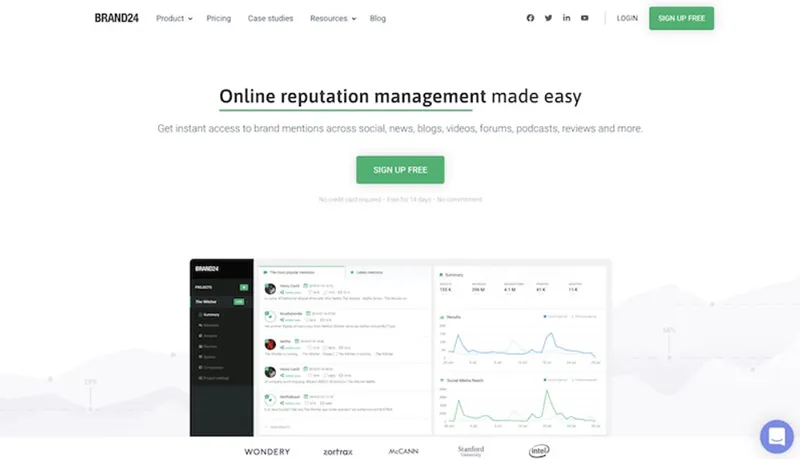
Marketers can also use Brand24 to measure the reach of campaigns, identify brand advocates, or uncover influencer opportunities. The platform’s dashboard is intuitive, offering filters and alerts that make it easy to stay on top of brand perception without drowning in noise. While no sentiment analysis is 100% accurate, Brand24 provides a solid foundation for strategic decisions and customer engagement. For businesses that value brand reputation and want to stay proactive rather than reactive, Brand24 offers a comprehensive solution for monitoring and managing online presence.
You may be interested AI Workflow Automation: Transforming Business Processes
Influencity – Influencer Marketing Management
Influencity is a comprehensive platform designed to streamline influencer marketing campaigns from discovery to execution. One of its standout features is its influencer search engine, which allows brands to filter creators by niche, audience demographics, engagement rates, and geographic location. This level of precision ensures that businesses can connect with the right voices for their campaigns rather than relying on guesswork. Beyond discovery, Influencity also helps with relationship management—brands can track communications, organize influencer lists, and manage collaborations in one place.

Campaign analytics provide detailed insights into reach, impressions, and ROI, making it easier to evaluate performance and optimize future efforts. The platform is especially useful for agencies and large brands running multi-influencer campaigns, as it reduces the manual work of tracking spreadsheets and email chains. While smaller businesses may find the learning curve steep at first, the scalability and data-driven insights make it worthwhile. In a world where influencer marketing is becoming essential to brand visibility, Influencity stands out as a tool that simplifies the process, enhances decision-making, and maximizes campaign effectiveness.
FAQ – Frequently Asked Questions about AI Marketing
- Q1. Can AI marketing tools fully replace humans?
No. AI handles repetitive tasks and analytics, but strategy, storytelling, and creativity require humans.
- Q2. Do I need technical knowledge to use AI tools?
Not necessarily. Most tools today (like Jasper, Surfer, Chatfuel) are designed for non-coders.
- Q3. Will Google penalize AI-generated content?
Not if it’s valuable and user-focused. AI can help, but you must optimize, add insights, and fact-check.
- Q4. Which AI tool should I try first?
Start with Surfer SEO (content optimization), Jasper (content writing), Chatfuel (chatbots), or Brand24 (brand monitoring).
- Q5. How can I keep my data safe when using AI tools?
Choose trusted providers, check their privacy policies, anonymize sensitive data, and comply with local laws.
The rise of AI in marketing is reshaping how brands engage, create, and compete. With the right AI marketing tools, marketers can work faster, smarter, and personalize at scale. Start using AI for marketing today to elevate your campaigns, save time, and unlock new growth opportunities.
A user-friendly AI platform that’s easy to deploy, helping SMEs automate processes, boost efficiency, and connect with customers naturally.
LIKEFLOW – Smarter AI, Faster Growth
- Phone : +1(719) 313 7576
- Email : support@likeflow.ai
- Address : 1942 Broadway St. STE 314C Boulder CO 80302




Leave a Reply