In the fast-evolving landscape of artificial intelligence, one of the most exciting innovations shaping the digital world is AI video generation models. These advanced systems can generate realistic, dynamic videos from text, images, or prompts—redefining how we produce visual content. From marketing and education to entertainment and social media, AI models to generate video are unlocking creative possibilities that were once unimaginable.

This comprehensive guide explores what AI video generation models are, how they work, their leading applications, benefits, top tools, and what the future holds for this groundbreaking technology.
What Are AI Video Generation Models?
AI video generation models are artificial intelligence systems trained to automatically create videos from various forms of input—such as text descriptions, images, scripts, or even existing video snippets. Using advanced deep learning and generative AI techniques, these models can synthesize high-quality, realistic, and contextually accurate videos without traditional filming or animation.
Some well-known examples include Runway Gen-2, Pika Labs, Synthesia, Sora (by OpenAI), and Kaiber, each offering different capabilities for generating or editing videos with minimal human input.
You may be interested How to make ai chatbot: A Complete Guide
How They Work
The process behind an AI model to generate video typically involves:
- Data Training – The model is trained on large datasets of videos, images, and text captions to understand motion, visual consistency, and storytelling.
- Prompt Interpretation – The AI interprets user input (such as “a sunset over the ocean with birds flying”) and converts it into a structured scene.
- Frame Generation – Using diffusion or transformer-based architectures, it creates frame-by-frame visuals that form a continuous, coherent video.
- Post-Processing – AI tools enhance color, stabilize motion, and refine visuals for realism.
This process mimics how humans visualize concepts—transforming imagination into moving imagery through computation.
The Rise of AI Models to Generate Video
Just a few years ago, AI-generated videos were limited to short clips with distorted visuals. Today, thanks to breakthroughs in generative diffusion models and transformer architectures, tools like OpenAI’s Sora and Pika 1.0 can produce cinematic-quality clips that are nearly indistinguishable from real footage.
Key Technological Breakthroughs
- Diffusion Models: These models gradually refine random noise into clear video frames, leading to highly detailed motion sequences.
- Temporal Consistency Algorithms: They ensure smooth transitions between frames to avoid flickering or distortion.
- Multimodal Learning: AI can now understand both text and visuals together, allowing users to describe scenes naturally in language.
- 3D Scene Understanding: Modern AI video generation models can predict depth and spatial relationships, creating more immersive environments.

These innovations have propelled AI models for video generation into mainstream use across industries.
You may be interested AI Image Search: The Future of Visual Discovery
Why AI Video Generation Models Matter
In the era of digital storytelling, content is king – but video content reigns supreme. The challenge, however, is that creating quality videos traditionally requires expensive equipment, skilled professionals, and significant time. AI video generation models are changing that paradigm.
A New Era of Accessibility
With AI, anyone can generate professional-grade videos from simple prompts. Marketers, educators, influencers, and startups no longer need to hire large teams or invest heavily in production studios.
Key Benefits
- Speed: Create high-quality videos in minutes rather than weeks.
- Cost Efficiency: Drastically reduce production costs.
- Scalability: Generate unlimited variations for campaigns or social content.
- Creativity Boost: Visualize ideas that would be impossible to film in real life.
- Personalization: Customize videos for specific audiences using AI-driven data insights.

The ability to turn ideas into moving visuals instantly is revolutionizing industries from advertising and film to e-learning and gaming.
You may be interested AI Voice Generators: Free Tools & the Best Options Over the Years
Top AI Video Generation Models in 2025
Let’s explore the most advanced AI models to generate video that are shaping the creative future in 2025.
OpenAI Sora
Perhaps the most anticipated AI video generation model, Sora by OpenAI can generate high-definition, photorealistic videos from text prompts up to a minute long. It understands depth, physics, and motion better than any previous model, making it capable of producing cinematic realism.

Key Features:
- Text-to-video generation up to 60 seconds
- Realistic motion and lighting
- Advanced physics simulation
- Contextual scene understanding
Runway Gen-2
A pioneer in creative AI, Runway offers Gen-2, a model that generates videos from text, still images, or reference clips. It’s widely used by marketers, designers, and filmmakers for quick concept visualization.

Highlights:
- Text-to-video and image-to-video capabilities
- Style transfer for artistic videos
- Real-time editing tools
- Cloud-based rendering
Pika Labs
Pika Labs focuses on generating short, dynamic clips ideal for marketing, social media, and storytelling. Its user-friendly interface allows creators to edit scenes directly and control camera motion, angles, and lighting.
Advantages:
- Intuitive UI for creators
- Fine control over video motion
- Fast rendering and realistic scenes
- Great for storytelling and content marketing
Synthesia
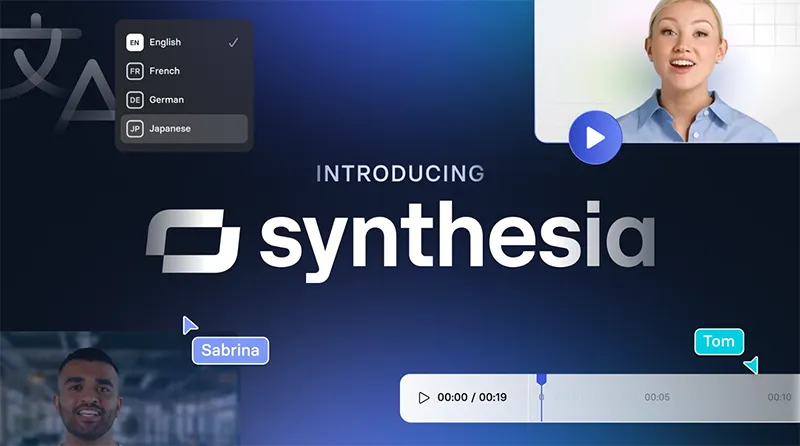
Synthesia specializes in AI video generation for business—especially corporate training, marketing, and explainer videos. It allows users to create videos with AI avatars that speak in multiple languages.
Best For:
- eLearning and employee training
- Marketing content localization
- Corporate communications
Kaiber
Kaiber combines text-to-video and image-to-video generation with artistic control. It’s perfect for creators, musicians, and designers who want to produce visually stunning, stylized clips.
Core Strengths:
- Artistic flexibility
- Music video generation
- AI-driven animation
These AI video generation tools collectively represent the new standard of creativity and efficiency in digital production.
You may be interested Customer support tools for your business
Applications of AI Video Generation Models
The potential use cases for AI models to generate video span across nearly every sector. Here are the most impactful ones:
- Marketing and Advertising
Marketers use AI to produce promotional videos, social media ads, and branded content in record time. AI-generated videos can be personalized at scale, adapting to customer preferences and languages automatically.
- Education and eLearning
AI video generation simplifies content creation for online courses and educational platforms. Instructors can create AI avatar-based explainer videos or dynamic visual lectures without appearing on camera.

- Entertainment and Film
Filmmakers and animators use AI video models for pre-visualization, storyboarding, and even final production. Some studios now integrate AI to design entire scenes or characters.
- Gaming and Virtual Worlds
AI can generate in-game cinematic sequences, 3D environments, and realistic character animations. This reduces development time while enhancing visual richness.
- News and Media
News agencies are beginning to deploy AI video generation models to create multilingual video reports or automatically summarize stories into short visual clips.
- Social Media Content Creation
Influencers and brands use AI models like Pika and Runway to produce engaging content daily—without cameras, editing software, or production teams.
You may be interested Best tool to design wireframe

AI video generation models are not replacing creativity—they’re expanding it. They democratize video production, empower imagination, and redefine how the world communicates visually.
Challenges and Ethical Considerations
Despite its promise, AI video generation also raises challenges around authenticity, copyright, and ethics.
Deepfake Concerns. The ability to generate realistic human videos has sparked fears of misuse—such as creating fake political statements or misleading content. To counter this, developers are implementing watermarking and verification systems to track AI-generated footage.
Copyright and Ownership. Who owns an AI-generated video? The user who prompted it, or the company that built the model? Current laws remain ambiguous, prompting ongoing legal and ethical discussions.
Data Bias and Representation. If the training data lacks diversity, AI-generated content can inadvertently reflect bias. Ethical AI design and dataset transparency are critical to preventing this.
Creative Integrity. While AI accelerates production, critics argue it might dilute the human touch in storytelling. The ideal path forward is collaboration between AI and human creativity, not replacement.
You may be interested White Label SaaS: The Complete Guide to White Label SaaS Products
How to Choose the Best AI Model to Generate Video
When selecting an AI video generation model, consider the following factors:
- Purpose: Is it for marketing, education, or entertainment?
- Input Type: Text, image, or reference video?
- Output Quality: Resolution, realism, and frame rate.
- Customization Options: Ability to control motion, style, and duration.
- Ease of Use: User-friendly interface and prompt design.
- Pricing: Subscription plans or pay-per-use options.
- Ethical Compliance: Transparency and watermarking features.
For businesses, choosing the right AI model to generate video can significantly enhance brand storytelling, engagement, and marketing ROI.

The rise of AI video generation models marks a new creative revolution. What once required teams of videographers, editors, and animators can now be achieved through AI models to generate video—instantly and affordably.
You may be interested The Best ChatGPT Alternatives in 2025
As AI continues to evolve, those who embrace AI-powered video generation today will lead tomorrow’s digital frontier. Whether you’re a business owner, creator, or innovator, the question is no longer if you should use AI to generate video—
but how fast you can start.
A user-friendly AI platform that’s easy to deploy, helping SMEs automate processes, boost efficiency, and connect with customers naturally.
LIKEFLOW – Smarter AI, Faster Growth
- Phone : +1(719) 313 7576
- Email : support@likeflow.ai
- Address : 1942 Broadway St. STE 314C Boulder CO 80302



Leave a Reply