Organizations across industries are increasingly turning to AI powered workflows to streamline processes, reduce manual effort, and enable smarter decision-making. Unlike traditional automation tools, AI-driven workflows go beyond rule-based actions – they adapt, learn, and optimize continuously.

From marketing teams automating campaign personalization to healthcare professionals leveraging AI powered clinical workflows, the impact of artificial intelligence is reshaping industries at every level. The rise of AI powered workflow automation is not just about saving time; it’s about redefining how humans and machines collaborate to create value.
This article explores what AI powered workflows are, why they matter, how they’re transforming industries, and what the future holds.
What Are AI Powered Workflows?
A workflow is a sequence of tasks or steps that lead to the completion of a process. Traditional workflows often rely on rigid rules, human intervention, or simple automation. In contrast, AI powered workflows integrate machine learning, natural language processing (NLP), and predictive analytics into the process.
This means workflows can:
- Understand unstructured data (emails, text, images).
- Make real-time decisions based on context.
- Adapt dynamically when conditions change.
- Learn from past performance to improve future outcomes.

For example, an AI-powered system managing an invoice approval workflow can not only route the request to the right department but also detect anomalies, flag potential fraud, and even predict future cash flow trends.
You may be interested AI workflow builder: Choose the Best
Key Benefits of AI Powered Workflows
Enhanced Efficiency. AI reduces repetitive manual tasks, enabling employees to focus on high-value strategic work.
Smarter Decision-Making. Through AI powered workflow automation, businesses gain real-time insights and predictive recommendations, improving the accuracy of decisions.
Cost Reduction. Automation minimizes errors, reduces manual effort, and cuts operational costs.
Scalability. Unlike manual workflows, AI systems scale seamlessly to handle increasing workloads without proportionally increasing labor costs.
Improved Customer and Patient Experiences. Whether in retail or healthcare, faster, more accurate processes translate into better service and satisfaction.
How AI Powered Workflow Automation Works
AI powered workflow automation combines automation technology with machine learning models to manage complex processes. Unlike traditional robotic process automation (RPA), which only follows predefined scripts, AI-powered systems:
- Use machine learning to analyze historical data and improve over time.
- Employ NLP to interpret human language in emails, chats, or forms.
- Apply computer vision to analyze medical images, invoices, or scanned documents.
- Rely on predictive analytics to forecast outcomes and optimize decisions.
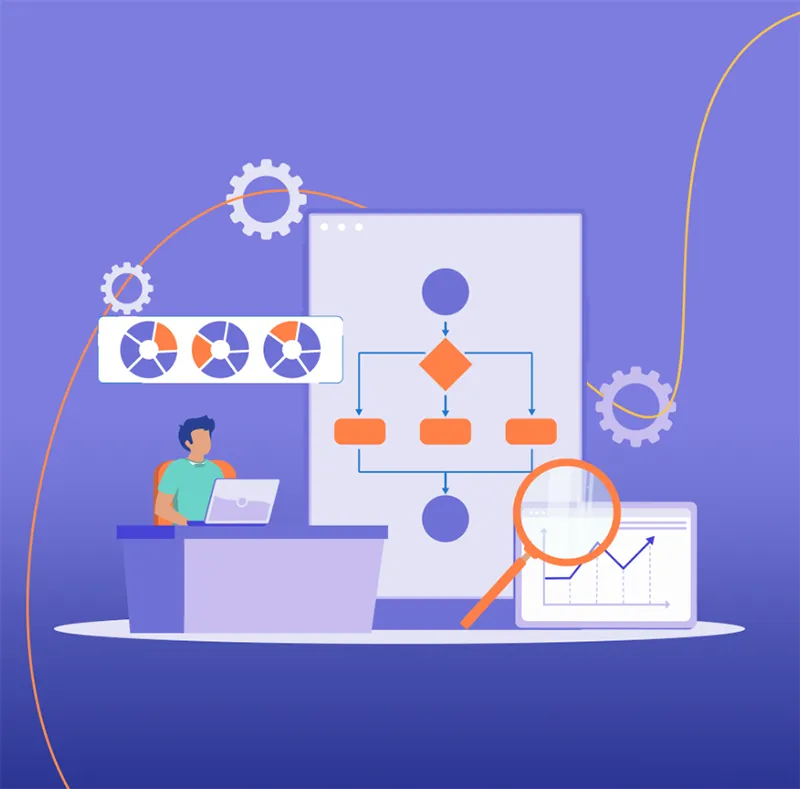
For example, in customer support, an AI-powered system can automatically analyze incoming requests, classify them by priority, suggest answers, and escalate complex issues to human agents.
You may be interested AI workflow management
Challenges of AI Powered Workflows
While powerful, implementing AI powered workflow automation comes with challenges:
- Data Privacy & Security: Handling sensitive business or patient data requires strict compliance with laws such as GDPR and HIPAA.
- Integration Issues: Connecting AI systems with legacy tools or EHR platforms can be complex.
- Bias in Algorithms: If not properly monitored, AI systems can perpetuate bias in decision-making.
- Change Management: Employees need training and cultural adaptation to work effectively with AI systems.

Best Practices for Implementing AI Powered Workflows
- Start Small: Begin with a pilot project before scaling across the organization.
- Prioritize High-Impact Areas: Focus on workflows that consume time or carry high costs.
- Ensure Data Quality: AI systems are only as good as the data fed into them.
- Focus on Human-AI Collaboration: AI should augment, not replace, human expertise.
- Monitor and Improve Continuously: Regularly assess AI performance and update models.
You may be interested AI Workflow Automation: Transforming Business Processes

Future of AI Powered Workflow Automation
The future of AI powered workflows is promising. As AI models grow more advanced, workflows will:
- Become increasingly autonomous, requiring minimal human oversight.
- Enable cross-industry innovation, blending healthcare, finance, and retail best practices.
- Leverage generative AI to create dynamic reports, summaries, and even predictive strategies.
- Support real-time decision-making with edge computing and IoT integration.
- Expand AI powered clinical workflow capabilities to include drug discovery, telemedicine, and remote patient monitoring.
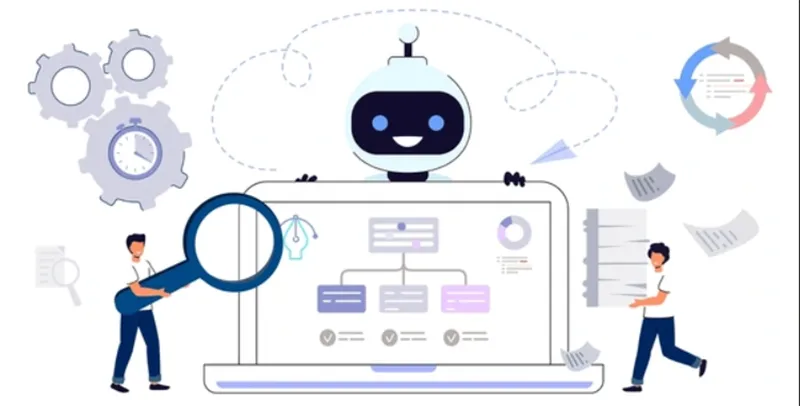
By 2030, experts predict that AI powered workflow automation will be integral to every organization, not just an optional tool.
You may be interested The Future of AI Agentic Workflows
Frequently Asked Questions (FAQs)
- What is an AI powered workflow?
An AI powered workflow uses artificial intelligence to manage, optimize, and automate processes, allowing systems to learn and adapt in real time.
- How does AI powered workflow automation differ from traditional automation?
Traditional automation follows predefined rules, while AI-powered automation learns from data, adapts to changes, and makes intelligent decisions.
- What industries benefit from AI powered workflows?
Healthcare, finance, manufacturing, HR, and marketing are among the top industries leveraging AI-powered workflows.
- What are AI powered clinical workflows?
These are AI-driven processes in healthcare that streamline patient care, improve diagnostics, and enhance collaboration between providers.
- Are AI powered workflows safe?
Yes, but organizations must ensure data privacy, compliance, and bias monitoring to maintain ethical use.
You may be interested Ai search engine: Transforming How We Find Information
AI powered workflows are not a passing trend—they are the future of how businesses and healthcare providers will operate. By embracing AI powered workflow automation, organizations can enhance efficiency, reduce costs, and improve both customer and patient outcomes.
In healthcare, AI powered clinical workflows are proving transformative, enabling faster diagnoses, better treatment plans, and seamless collaboration. Across industries, the integration of artificial intelligence into workflows signals a shift toward smarter, adaptive, and scalable operations.
As AI technology continues to evolve, those who adopt and refine AI powered workflows early will gain a significant competitive advantage.
A user-friendly AI platform that’s easy to deploy, helping SMEs automate processes, boost efficiency, and connect with customers naturally.
LIKEFLOW – Smarter AI, Faster Growth
- Phone : +1(719) 313 7576
- Email : support@likeflow.ai
- Address : 1942 Broadway St. STE 314C Boulder CO 80302



Leave a Reply